0 Comments
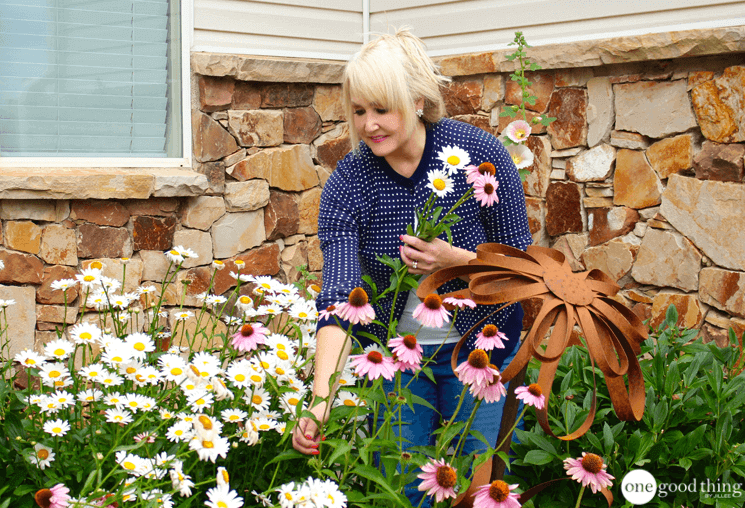
These gardening tips for beginners will help you get started growing flowers, vegetables, or whatever you dream of planting — because isn’t there something just so hopeful about starting a garden? Whether you’re dreaming of fresh tomatoes for your salads or a little patch of bright, happy flowers, the idea of planting a tiny seed and watching it grow is pure magic.
But I know it can also feel a little intimidating. Where do you even start? What if you don’t have a “green thumb”?
Well, I’m here to tell you that the “green thumb” is a myth! It’s all about learning a few simple tricks, and I promise, you can absolutely do this. After years of my own trial-and-error (and believe me, there have been errors!), I’ve gathered up the most important things that truly make a difference.
These are the foundational gardening tips for beginners that will help you skip the frustration and get right to the good stuff. For even more perspectives on creating a beautiful outdoor space, the Fischer Landscaping blog is a wonderful resource to explore. Let’s walk through these simple, no-fuss ideas together. You’ll be amazed at what you can grow!
1. Start with the Right Location and Sunlight Assessment
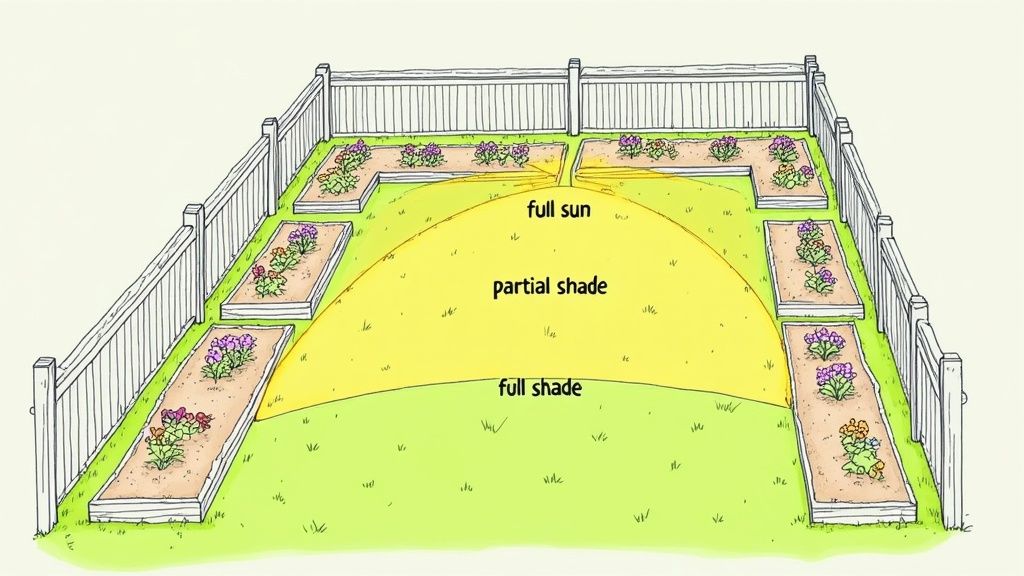
Before you even think about buying seeds or plants, take a moment to become a sun detective in your own yard. This is one of the most important gardening tips for beginners because understanding where the sun shines, and for how long, is the secret ingredient to a thriving garden. Most vegetables and vibrant flowers need at least 6-8 hours of direct sunlight, while other lovely plants are perfectly happy with just a few hours in a shadier spot.
Putting a sun-loving tomato plant in a shady corner is a recipe for disappointment, trust me! By matching the plant to the right light conditions from the start, you avoid so much frustration and set your garden up for success.
How to Map Your Sunlight
It’s easier than it sounds! You don’t need fancy equipment, just a little observation. Here’s a simple way to figure out your sun zones:
- Take photos: Starting in the morning, snap a quick picture of your yard every two hours until the sun goes down. This will give you a clear visual record of which areas get sun and which stay in the shade.
- Use an app: There are handy sun calculator apps that use your phone’s location to track the sun’s path across your property. This is a great shortcut if you’re short on time.
- Make a simple map: Sketch a rough outline of your yard and label areas as “Full Sun” (6+ hours), “Partial Sun” (4-6 hours), or “Shade” (less than 4 hours). Take this map with you to the nursery so you can choose plants with confidence.
Remember that the sun’s position changes with the seasons. A spot that’s sunny in summer might be shaded by a tree in spring, so it’s a good idea to observe for a few days before you start digging.
2. Begin with Easy-to-Grow Plants
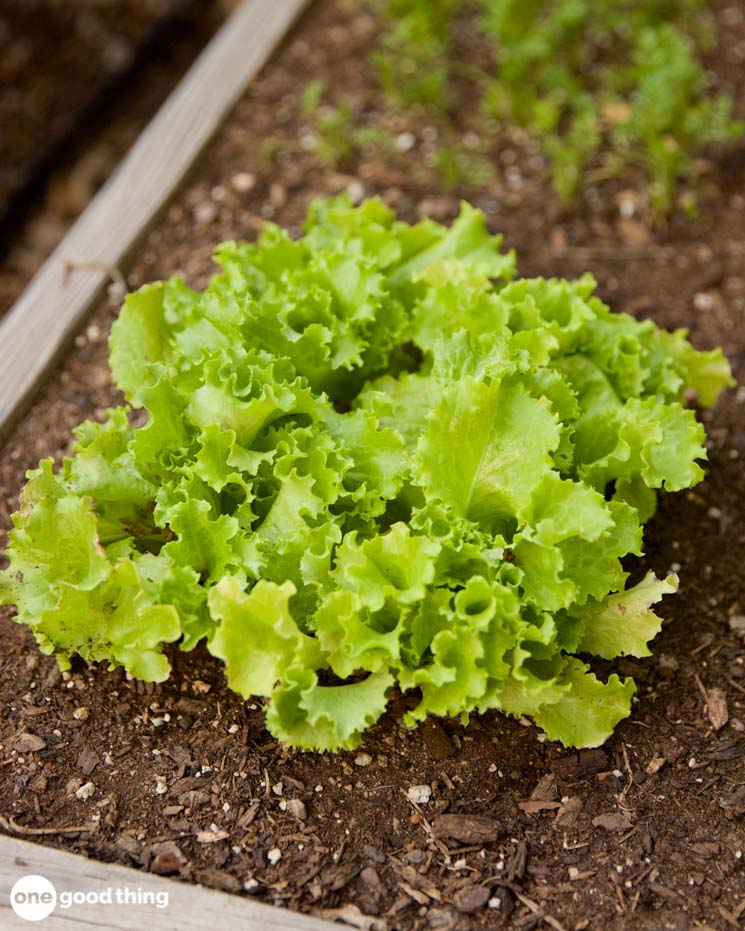
One of the best gardening tips for beginners is to set yourself up for a win right from the start. Diving into gardening with resilient, forgiving plants builds confidence and gives you those rewarding, quick victories that keep you motivated. Hardy varieties like zucchini, lettuce, and many herbs are much more tolerant of the little mistakes we all make when we’re learning.
There’s nothing more discouraging than pouring your heart into a plant that just won’t grow! By choosing foolproof options, you get to learn fundamental skills like watering and pruning without the stress of caring for a fussy plant that needs perfect conditions. This approach ensures you get to enjoy the fun part: a beautiful, productive garden.

How to Choose Your First Plants
Don’t overwhelm yourself by trying to grow everything at once. Focusing on just a few reliable varieties is the key to a successful first season. Here are a few simple ideas to get you started:
- Start with transplants: For your first year, consider buying small plants (called transplants or starts) from a nursery. This lets you skip the trickiest part of growing from seed and gives you a head start.
- Pick a guaranteed winner: Choose at least one herb like basil or mint. They grow quickly and are incredibly forgiving, giving you an almost immediate harvest for your kitchen.
- Look for resistant varieties: Many plant tags, especially for tomatoes, will have codes like “VFN” on them. These indicate that the plant is resistant to common diseases, which is a huge help for beginners.
- Add flowers for function: Plant a few marigolds or nasturtiums. Not only are they cheerful and easy to grow, but they also help keep common garden pests away from your vegetables.
Starting with simple plants is a wonderful way to learn the basics, much like how you might begin with easy-to-grow houseplants to build your green thumb indoors. Once you see how much you can grow, you’ll be excited to try more challenging varieties next year!

3. Understand and Improve Your Soil Quality
Think of your garden soil as the foundation of a house. If it’s weak or missing key ingredients, everything you build on top of it will struggle. This is one of the most crucial gardening tips for beginners because rich, healthy soil is what provides the nutrients, water, and support your plants need to flourish. Simply digging a hole and dropping in a plant without checking the soil first is a common mistake that can lead to a lot of frustration.
By taking a little time to understand what you’re working with, you can transform poor, compacted dirt into a thriving ecosystem. Adding organic matter like compost improves drainage in heavy clay soil and helps retain water in sandy soil, creating a perfect balance for happy plant roots. It’s a simple step that makes a world of difference!
More Ideas You'll Love

How to Build Better Soil
You don’t have to be a soil scientist to make a huge impact. It all comes down to learning what your soil needs and giving it a boost. Here are a few practical ways to get started:
- Get a soil test: Before adding anything, get a simple and affordable soil test from your local university extension office. It will tell you the pH and nutrient levels, so you know exactly what your soil is missing. You can also buy a basic soil tester at your local Home Depot or Lowes store.
- Add compost: The best all-around soil improver is compost. Spreading a 2 to 3-inch layer on top of your garden beds each year adds vital nutrients and dramatically improves the soil structure.
- Try the squeeze test: Grab a handful of moist (not soaking wet) soil and squeeze it. Ideal soil, called loam, will form a ball that crumbles when you poke it. If it stays in a hard clump, you likely have clay; if it falls apart instantly, it’s sandy.
The infographic below outlines a simple, repeatable process for assessing and amending your garden soil each season.
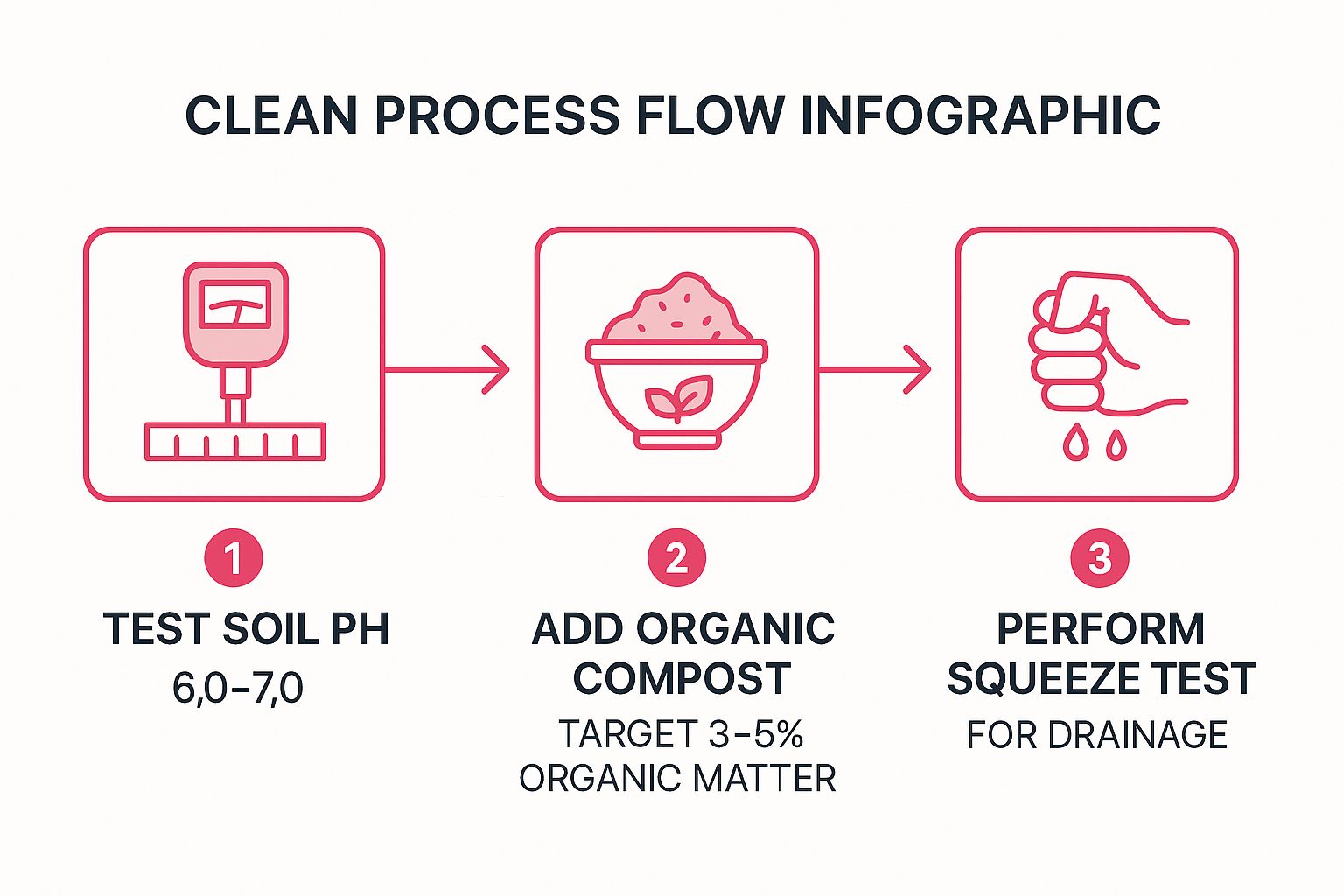
Following this simple workflow of testing, amending, and feeling the texture will help you create the ideal foundation for your plants year after year.

4. Master Proper Watering Techniques
Of all the gardening tips for beginners, learning to water correctly is perhaps the most critical. It’s so easy to love our plants a little too much! Believe it or not, more plants die from overwatering than from being too dry, as soggy soil leads to root rot. The secret is to water deeply but infrequently, which encourages strong roots to grow downward in search of moisture.
This simple shift in mindset helps create resilient, more drought-tolerant plants. By mastering a few basic techniques, you can avoid common pitfalls and give your garden the perfect amount of hydration to truly flourish.
How to Water Like a Pro
Forget guesswork and start watering with confidence. Here’s a simple checklist to get it right every time:
- Use the finger test: This is my go-to method. Just stick your finger about two inches into the soil near the plant’s base. If it feels dry at that depth, it’s time to water. If it’s still moist, hold off for another day or two.
- Water in the morning: The best time to water is between 6 and 10 a.m. This minimizes evaporation and allows leaves to dry before nightfall, which helps prevent fungal diseases.
- Aim for the base: Always water the soil, not the leaves. Directing water at the base of the plant ensures it gets straight to the roots where it’s needed most. If your local tap water is particularly hard, understanding water softening solutions might be beneficial for preventing mineral buildup in your garden soil.
- Mulch is your best friend: Apply a 2-3 inch layer of organic mulch (like shredded bark or compost) around your plants. This is a game-changer for retaining soil moisture and reducing how often you need to water.

5. Start Small and Expand Gradually
One of the biggest mistakes I see new gardeners make is going too big, too fast. It’s so exciting to dream of a huge garden overflowing with produce, but that dream can quickly turn into an overwhelming chore. Starting small is one of the most crucial gardening tips for beginners because it allows you to learn without getting burned out.
Trust me, a small, well-tended garden bed will produce far more and bring you more joy than a large, neglected one. This approach builds your confidence and skills, setting you up for a lifetime of gardening success instead of a single season of frustration.
How to Start Small and Succeed
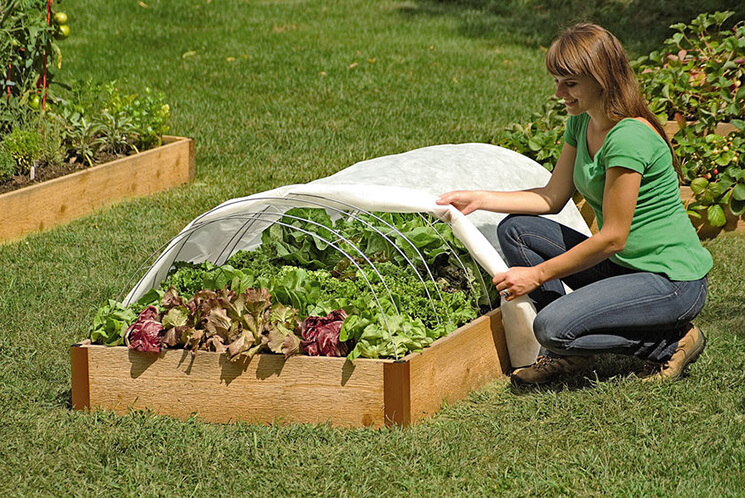
Starting with a manageable space lets you master the basics of watering, weeding, and pest control. You’ll also get a realistic idea of the time commitment before you dig up your whole yard.
- Choose a defined space: Begin with one 4×4-foot raised bed or even just 3-5 large containers on your patio. This is plenty of room to grow a surprising amount of food.
- Focus on high-yield plants: Maximize your small plot with crops that give a lot back, like bush beans, lettuce, herbs, and a single caged tomato plant.
- Track your time: Pay attention to how long it takes to care for your small garden each week. This will be your guide for how much you can handle next season.
- Wait a full season: The enthusiasm you have in spring can fade by mid-July. Wait until you’ve successfully managed your plot for a full season before you even think about adding another bed.
By starting small, you learn your limits and your garden’s needs. You’ll learn more and enjoy the process so much more when you aren’t feeling overwhelmed.
More Ideas You'll Love

6. Learn Your Local Climate and Growing Zone
Think of your garden as having its own unique personality, shaped entirely by your local climate. Understanding this is one of the most crucial gardening tips for beginners because it dictates what you can plant and when you can plant it. Your region’s specific patterns, like humidity, rainfall, and temperature extremes, determine which plants will thrive and which will struggle.
Trying to grow a plant that isn’t suited for your climate is like trying to fit a square peg in a round hole; it just leads to frustration. For example, a gardener in San Diego can grow tomatoes nearly year-round, while someone in Chicago has a much shorter window. Knowing your zone and frost dates is the key to a successful harvest.
How to Find Your Climate Information
Getting this local knowledge is simple, and it will make you a much more confident gardener. You’ll know exactly what to look for on plant tags at the nursery! Here’s how to start:
- Find your zone: The USDA Plant Hardiness Zone Map is the standard. You can simply enter your zip code on their website to find out which zone you’re in. This number helps you choose plants that can survive your winter temperatures.
- Check frost dates: Knowing your area’s average first and last frost dates tells you your “growing season” length. Websites like The Old Farmer’s Almanac provide this information, helping you time your planting perfectly to avoid a surprise freeze.
- Use local resources: Your state’s university cooperative extension service is a goldmine of information. They often provide free, county-specific planting calendars that are tailored to your exact micro-climate.

7. Implement Mulching for Weed Control and Moisture Retention
If there’s one gardening secret that feels like a magic trick, it’s mulching. This simple step is one of the best gardening tips for beginners because it saves you so much time and effort. Mulching is just covering the soil around your plants with a layer of material, like wood chips or straw. This blanket suppresses weeds, keeps the soil moist, and protects plant roots from extreme temperatures.
Honestly, mulching is the closest you’ll get to a ‘set it and forget it’ solution in the garden. It dramatically reduces how often you need to water and weed, which means more time enjoying your beautiful space and less time doing chores. It’s a game-changer for anyone who wants a gorgeous garden without all the back-breaking work.
How to Mulch the Right Way
Getting started is easy, and your plants will thank you for it. Here’s how to make mulching work for you:
- Timing is everything: Apply mulch in the spring after the soil has had a chance to warm up, but before the weeds really start to take over.
- Give plants space: Always keep the mulch about 2-3 inches away from the stems of your plants. Piling it right up against them can trap moisture and cause rot.
- Apply the right amount: For fine mulches like compost, a 2-inch layer is great. For coarser materials like wood chips, aim for a 3-4 inch layer.
- Source it for free: Check with local tree trimming services or a service like ChipDrop to see if you can get free wood chips delivered right to your home.
While mulch prevents most weeds, you might still get a few stubborn ones. For those, you can find other simple solutions in my guide to cheap and easy weed killers.
8. Practice Regular Observation and Preventive Pest Management
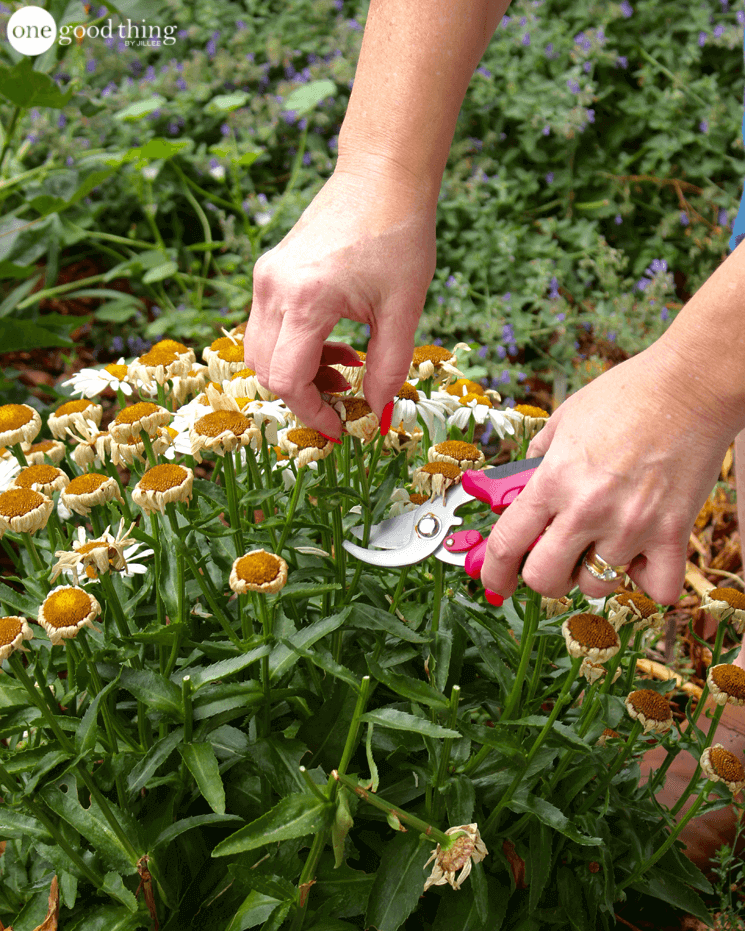
One of the best habits you can build as a new gardener is to become a garden detective. Spending just 10-15 minutes every couple of days observing your plants is the key to catching small issues like pests or diseases before they turn into big, overwhelming problems. This proactive approach is much less stressful than reacting to a full-blown infestation later on.
You’ll learn to notice what a healthy plant looks like, making it much easier to spot when something is wrong. Remember, a perfectly healthy garden will still have some bugs and minor leaf damage, and that’s okay! It’s all about catching problems early, not trying to create a sterile environment.
How to Be a Garden Detective
Making observation part of your routine is simple and can even be a relaxing part of your day. Here’s how to get started with this essential gardening tip for beginners:
- Schedule a daily walk: Make a cup of coffee and take a 10-minute stroll through your garden each morning. Treat it like an appointment you can’t miss.
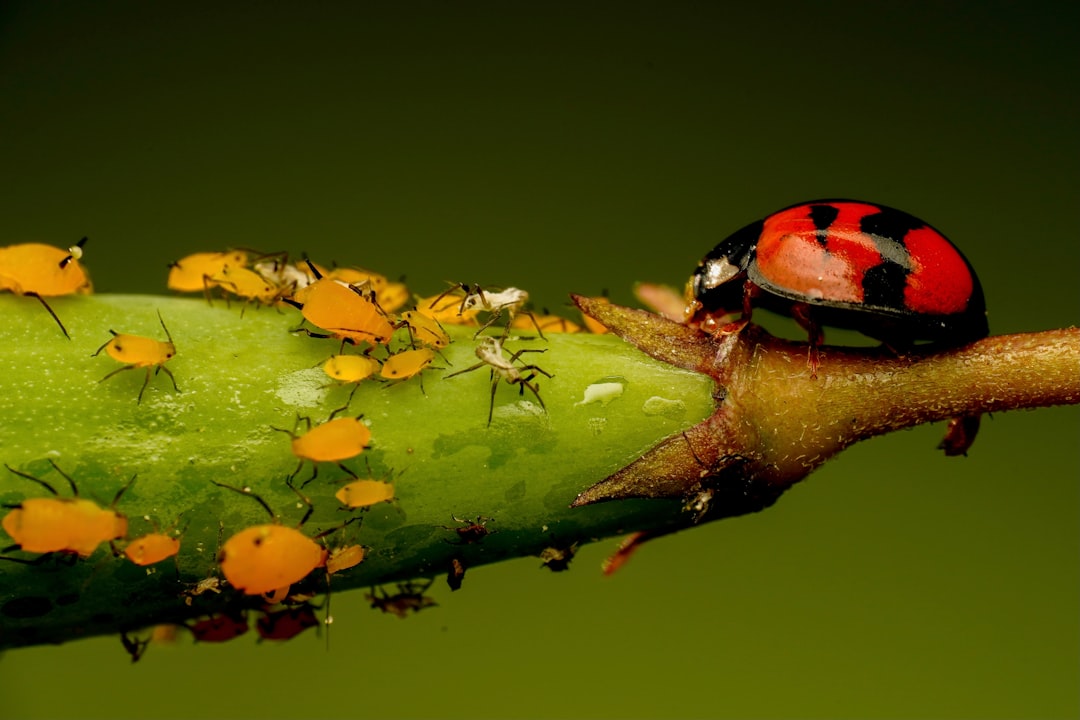
- Look under the leaves: Pests like aphids and whiteflies love to hide on the undersides of leaves. Gently flip a few over on each plant to see what’s going on.
- Take photos: See a weird spot or a new bug? Snap a picture with your phone. You can use it to identify the problem later or ask for help from fellow gardeners online.
- Learn your friends: Get to know what beneficial insects like ladybugs and lacewings look like. These are your garden helpers, so you want to protect them!
- Act fast on the big stuff: If you see a large pest like a tomato hornworm or Japanese beetle, hand-pick it off immediately and drop it into a bucket of soapy water. A strong spray from the hose can also knock off smaller pests like aphids.
8 Key Gardening Tips Comparison Guide
| Item | Implementation Complexity | Resource Requirements | Expected Outcomes | Ideal Use Cases | Key Advantages |
|---|---|---|---|---|---|
| Start with the Right Location and Sunlight Assessment | Moderate (requires observation over 1-2 weeks) | Time, sun calculator apps, compass | Proper plant placement, improved growth | Garden planning, site-specific plant selection | Prevents plant stress, maximizes yield |
| Begin with Easy-to-Grow Plants | Low (simple plant choices) | Seeds or transplants of resilient plants | Early success, skill-building | Beginner gardeners seeking quick rewards | Builds confidence, reduces financial loss |
| Understand and Improve Your Soil Quality | Moderate to High (testing and amendments needed) | Soil tests, compost, amendments, time for maintenance | Healthier plants, long-term soil fertility | All gardeners wanting sustainable growth | Reduces fertilizer use, improves water retention |
| Master Proper Watering Techniques | Moderate (learning plant/soil signals) | Water source, possibly soil moisture meter | Stronger roots, lower water use, healthier plants | Gardens requiring efficient watering | Prevents overwatering, reduces disease risk |
| Start Small and Expand Gradually | Low to Moderate (manageability focus) | Minimal initial investment, small beds/containers | Sustainable garden maintenance, gradual skill growth | New gardeners avoiding burnout | Prevents overwhelm, builds confidence |
| Learn Your Local Climate and Growing Zone | Low to Moderate (research and record keeping) | Access to zone maps, frost dates, local guides | Optimized plant choices and timing | Regional planting planning | Avoids planting failure, improves timing |
| Implement Mulching for Weed Control and Moisture Retention | Low to Moderate (material sourcing and application) | Organic/inorganic mulch, tools, initial labor | Reduced weeds, water savings, improved soil | Beds needing low maintenance and moisture retention | Saves water/time, improves soil quality |
| Practice Regular Observation and Preventive Pest Management | Moderate (daily time commitment, learning curve) | Time for inspection, journal or camera | Early pest detection, reduced chemical use | Gardens prone to pests seeking organic control | Prevents major damage, builds plant knowledge |

You’ve Got This! Now Go Grow Something.
And there you have it! Those are some of the most important gardening tips for beginners that I wish I’d known when I first started. Gardening isn’t about having a magical “green thumb” or some innate talent. It’s really just about learning to pay attention to a few simple, but crucial, elements. Think of it less as a big, complicated project and more as a series of small, manageable steps.
The journey from a patch of dirt to a thriving garden is built on the fundamentals we’ve covered. Remember that the “perfect” garden isn’t the goal; a garden you enjoy and learn from is. Don’t let the fear of messing up hold you back. Every single gardener, myself included, has had plants that didn’t make it. Those moments aren’t failures, they are simply learning opportunities that make you a better gardener next season.
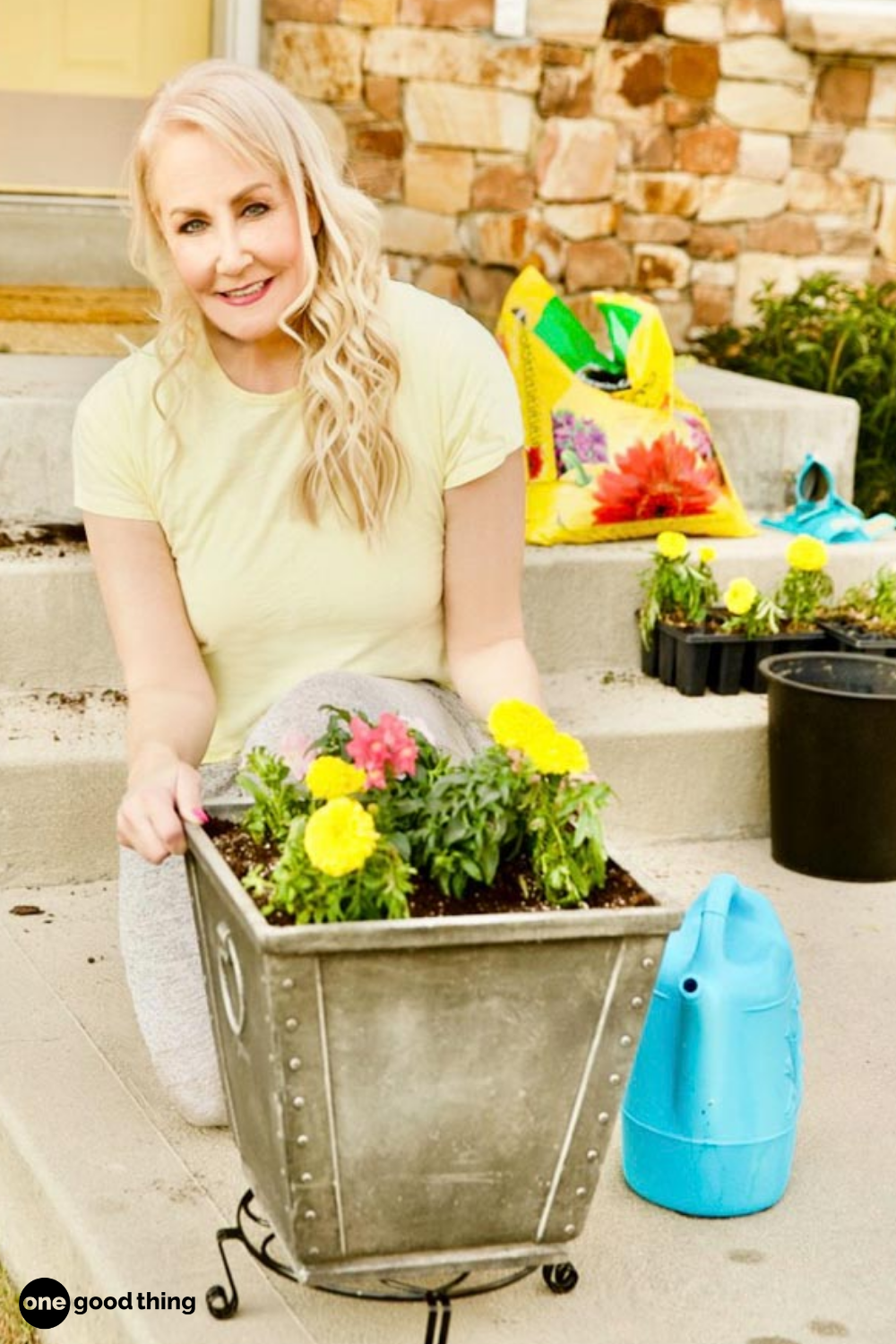
Your Next Steps in the Garden
Feeling motivated? Here’s what you can do right now to get started:
- Pick one or two tips that feel the most achievable for you. Maybe that’s just spending this weekend observing the sunlight in your yard or grabbing a simple soil test kit on your next trip to the store.
- Start with a single pot. You don’t need a huge plot of land. Choose one easy-to-grow plant, like mint or a cherry tomato variety, and focus on keeping that one plant happy.
- Embrace the process. The true reward of gardening isn’t just the harvest, it’s the quiet moments spent nurturing something, watching it grow, and connecting with nature right in your own backyard.
The joy of walking outside to snip fresh herbs for dinner or picking a sun-warmed tomato you grew from a tiny seed is truly one of life’s simple pleasures. It’s a feeling of accomplishment and connection that is worth every bit of the effort. So take these tips, get your hands a little dirty, and just begin. I can’t wait to see what you grow!
What type of garden is your favorite?